18 May 2026
Adaptive Reward Systems: How Player Data Shapes Tailored Promotions Across UK Mobile Slot Platforms
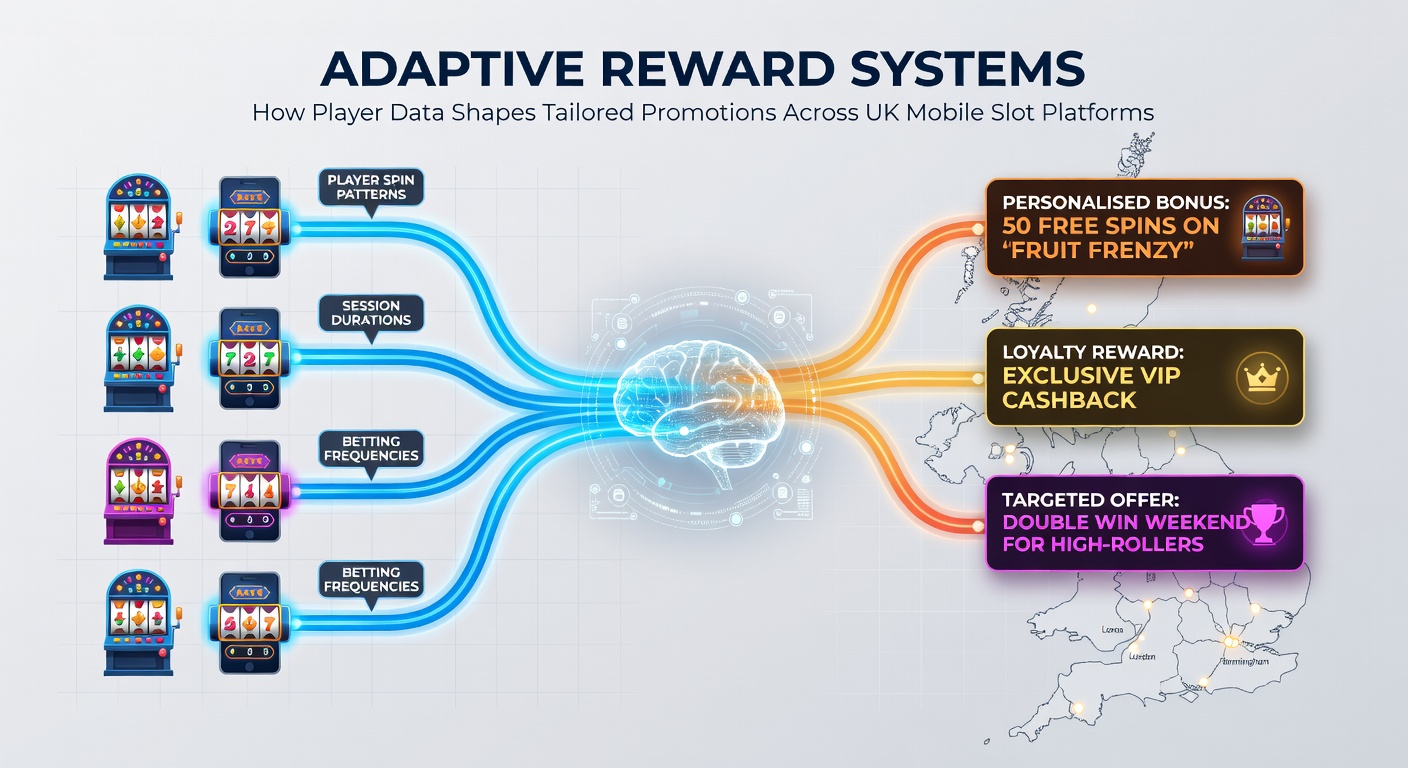 Adaptive reward systems operate through continuous analysis of player behavior across UK mobile slot platforms, where algorithms process details such as session duration, preferred game types, wager amounts, and response rates to previous offers. These systems adjust promotions in real time, delivering bonuses that align with individual patterns rather than applying uniform incentives to all users. Operators collect anonymized data points during gameplay, which feed into models that predict optimal timing and content for offers like free spins or deposit matches. Data collection begins when players launch an app or access a site, capturing metrics that include frequency of logins and time spent on specific reels. Machine learning processes this information to identify segments, such as high-volume evening players or those favoring progressive titles. The resulting profiles allow platforms to generate targeted campaigns, and observers note that this approach has expanded since initial implementations around 2023.
Core Components of Data-Driven Tailoring
Player data flows through secure pipelines that categorize activity into behavioral clusters, while algorithms weigh factors like recent losses against win streaks to calibrate offer value. One common method involves tracking reel preferences, so a user who favors cluster-pay games might receive multipliers tied to those mechanics. Another layer examines deposit history to time reload bonuses during periods of lower activity, and this integration of multiple variables produces promotions that feel individualized without direct user input.
Platforms employ predictive analytics to forecast churn risk, triggering incentives such as cashback percentages scaled to recent play volume. Research indicates that such layering extends average session lengths when offers match demonstrated preferences, and figures reveal higher engagement rates compared with static bonus structures. Those who have examined these systems point to the role of real-time adjustments, which occur within seconds of detected pattern shifts.Implementation Across Leading Mobile Platforms
UK operators integrate these systems into existing loyalty frameworks, where data points from mobile sessions inform everything from welcome extensions to ongoing reload sequences. For instance, a player showing preference for high-RTP titles may see tailored free-turn packages appear after a set number of spins, and this sequencing maintains momentum without interrupting flow. Mid-2026 updates have introduced enhanced cross-device syncing, allowing data from tablet play to refine phone-based offers seamlessly.
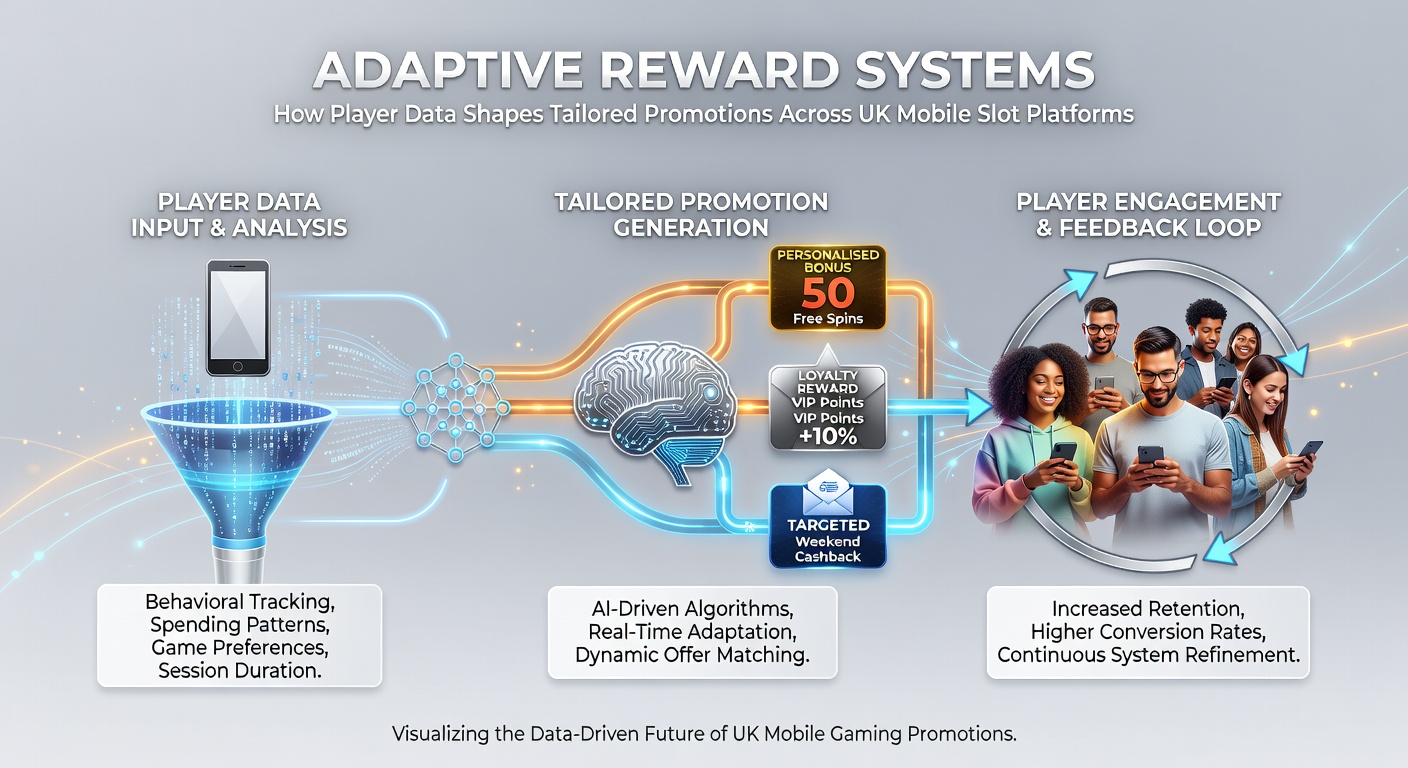 Take one case where operators adjusted bonus triggers based on weekend versus weekday patterns, resulting in promotions that activated during historically quieter windows. This strategy draws from aggregated datasets that highlight peak engagement windows, and industry reports show measurable lifts in retention metrics when personalization reaches this granularity. What's interesting is how these adjustments occur without player awareness of the underlying calculations.
Regulatory and Technical Safeguards
Compliance frameworks require transparent data usage policies, and operators must obtain consent for tracking features that power adaptive rewards. External audits verify that algorithms avoid over-targeting vulnerable patterns, while encryption protects stored information throughout processing cycles. According to findings from the Responsible Gambling Council of Canada, similar data practices in other jurisdictions have supported balanced implementation when paired with player-set limits.
Technical infrastructure relies on cloud-based analytics engines capable of handling millions of data streams simultaneously, and developers continue refining models to incorporate new variables such as device type or connection stability. These enhancements ensure promotions remain relevant across varying network conditions common in mobile environments.Emerging Trends and 2026 Developments
By May 2026, several platforms had rolled out deeper integration of biometric signals like session pause frequency to further refine offer timing. Partnerships with analytics providers have accelerated, enabling smaller operators to access the same segmentation tools previously limited to larger groups. Data from the National Association for Gambling Studies in Australia highlights how these evolutions mirror broader industry shifts toward evidence-based personalization in digital gaming markets. Players often encounter these systems through subtle interface changes, such as customized notification banners that highlight relevant perks. The ball remains in the operators' court to balance engagement goals with responsible play features, and continued refinement of these tools depends on ongoing analysis of outcome data.