29 Jun 2026
Behind the Screens: Data-Driven Customization of Slot Promotions for UK Players

Operators in the United Kingdom rely on extensive datasets to shape slot promotions that match individual playing patterns, and this approach has expanded notably since early 2025. Player activity logs, session durations, preferred game types, and deposit frequencies feed into systems that generate tailored offers such as free spins or deposit matches. These systems process information in real time while operators adjust parameters to align with observed behaviors across thousands of accounts.
Data Collection Foundations
UK slot platforms gather information through account registrations, in-game telemetry, and transaction histories that accumulate over months of activity. Researchers at the University of Sydney's Gambling Research Unit have documented similar practices in other regulated markets, noting that variables like volatility tolerance and time-of-day preferences help refine promotion timing. Their 2025 analysis shows how aggregated datasets allow segmentation into groups such as high-frequency mobile users or weekend-only participants. Algorithms then match these segments with specific bonus structures, for example routing high-volatility slot enthusiasts toward reload offers that extend longer sessions.
Integration with third-party analytics tools further enriches the picture, pulling in device information and geographic signals without compromising privacy protocols established across the sector. Observers note that by June 2026 many operators had layered additional filters to account for seasonal shifts, such as increased evening play during summer months, which directly influences the frequency and value of customized free spin packages.
Personalization Algorithms in Action
Machine learning models evaluate historical outcomes to predict which promotion type will sustain engagement for each account. A player who consistently activates bonuses on Thursdays might receive sequenced offers that trigger mid-week, while another whose deposits spike after wins could see cashback percentages scaled accordingly. These models update continuously, incorporating fresh data points from completed sessions to refine future recommendations. Industry reports from the Canadian Centre for Gaming Research indicate that comparable systems in North American jurisdictions achieve measurable lifts in retention when personalization reaches this granularity.
One documented case involved a mid-sized operator that introduced dynamic bonus triggers based on real-time loss thresholds. Accounts showing prolonged losing streaks automatically received smaller, more frequent incentives designed to maintain play without exceeding responsible gaming markers. The adjustment occurred through backend rulesets that balanced commercial objectives with observable player patterns, and similar logic now appears across multiple UK-facing sites.
Implementation Across Platforms
Backend teams deploy these customizations through content management systems that push notifications and in-app messages at optimal moments. Email campaigns segment audiences by predicted response rates, while push alerts target users whose last session ended without a bonus claim. Data pipelines ensure that offers remain consistent across desktop and mobile interfaces, preserving the same personalization logic regardless of access point. Figures from the Australian Gambling Research Centre reveal that markets employing unified data platforms report higher redemption consistency compared with fragmented approaches.
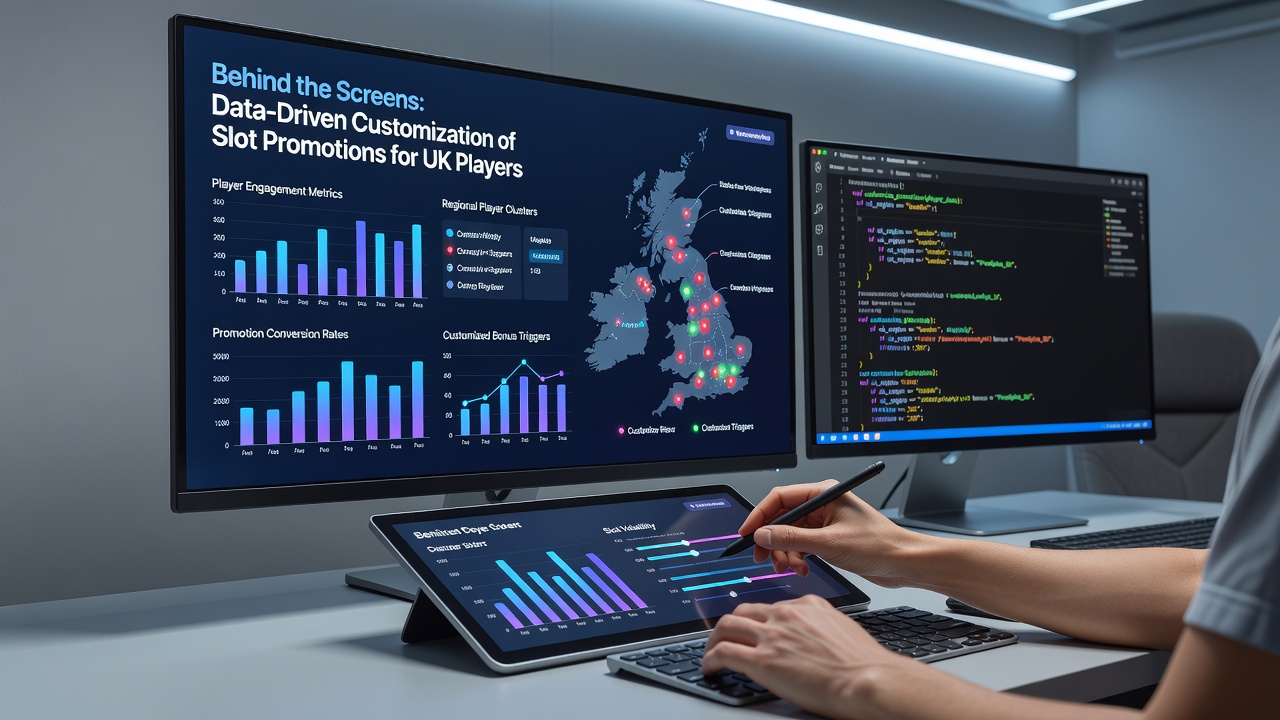
Testing phases typically precede full rollouts, with A/B variants distributed to small cohorts to measure uplift before wider deployment. Metrics tracked during these trials include bonus uptake, average session length post-redemption, and subsequent deposit behavior. Results feed back into the model, tightening parameters for the next iteration and reducing variance across user groups.
Regulatory and Technical Considerations
Compliance requirements shape how far customization extends, particularly around transparency and fairness in promotional terms. Operators maintain audit trails that document why specific offers reached particular accounts, allowing external reviewers to verify alignment with stated criteria. Technical infrastructure must handle peak loads during promotional events while safeguarding data integrity across distributed servers. Updates rolled out in mid-2026 incorporated enhanced encryption standards that protect the underlying datasets without slowing real-time decision engines.
Cross-border operators serving UK players often harmonize these systems with frameworks from multiple jurisdictions, ensuring that a single player profile respects varying data retention rules. This layered compliance adds complexity yet supports consistent personalization logic across regions.
Conclusion
Data-driven customization of slot promotions continues to evolve through iterative refinement of collection methods, algorithmic models, and delivery mechanisms. UK operators apply these techniques to align incentives with documented player patterns, drawing on established practices observed in other regulated markets. As platforms incorporate new data streams and refine existing ones, the underlying processes remain anchored in measurable inputs and observable outcomes that shape promotional strategies across the sector.