20 Jul 2026
Britain's Slot Apps Uncover New Alignments Between Reward Triggers and Device Preferences
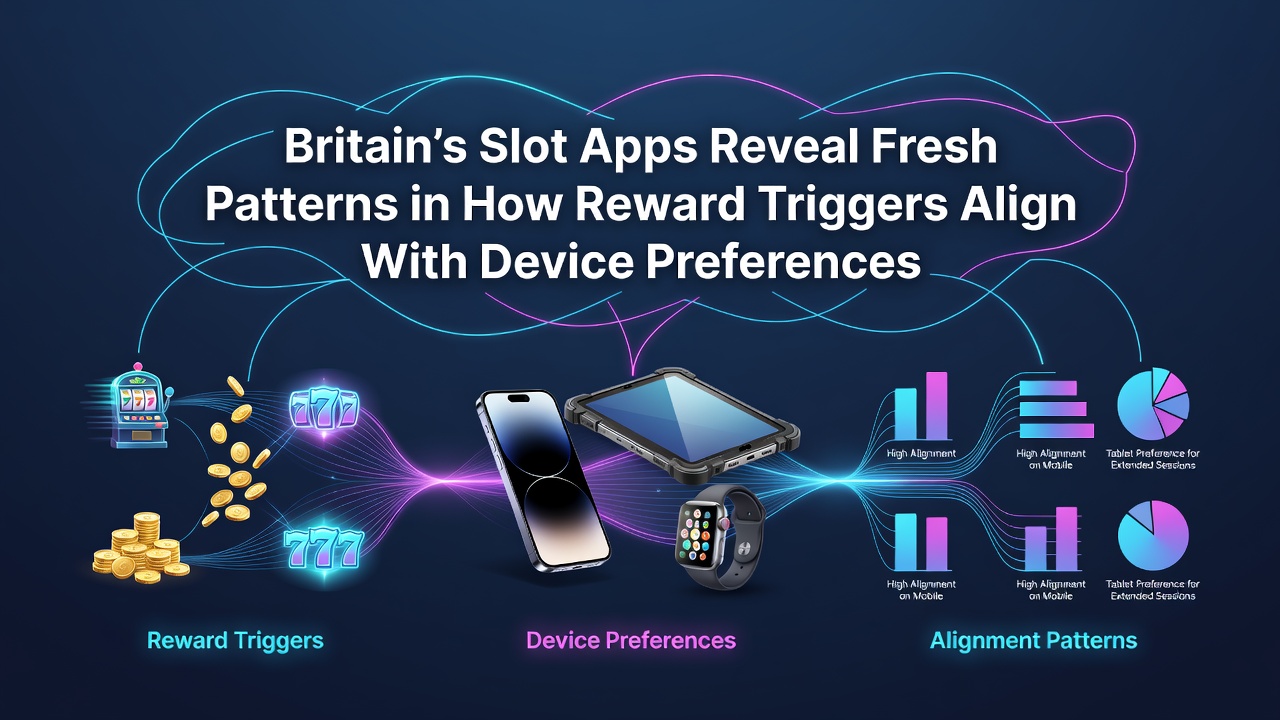 Data from recent industry analyses shows Britain's slot applications continue to adapt reward mechanisms based on user device patterns throughout 2026. Observers note that app developers track how triggers such as free spins, deposit matches, and loyalty points perform differently across iOS, Android, and tablet platforms. Figures released in July 2026 indicate these alignments have grown more pronounced since the start of the year as operators refine personalization engines.
Device-Specific Trigger Performance
Studies conducted by European gaming research groups reveal Android users in Britain respond more frequently to instant activation bonuses while iOS users engage longer with sequential reward chains. These patterns emerge from aggregated session data across multiple platforms where operators monitor click-through rates on promotional elements. Researchers discovered that tablet users often favor loyalty tier climbs over flash offers because larger screens support extended browsing sessions. One analysis from the International Gaming Institute highlighted how these preferences hold steady across age groups yet shift when users switch between devices mid-session.
Data Patterns Emerging in Mid-2026
Analytics firms tracking Britain's slot market report that reward triggers now incorporate device metadata at the point of offer generation. This approach allows systems to serve Android-preferred quick spin bonuses during commute hours while reserving deeper loyalty rewards for evening tablet sessions. Evidence from operator dashboards shows conversion rates rising when triggers match documented device behaviors. Those who have examined the datasets note that cross-device users receive hybrid offers that blend elements from both ecosystems. The result appears in sustained play duration rather than isolated spikes.
Regional Variations and Platform Trends
Breakdowns by UK region demonstrate northern England users on Android devices accept reward triggers at higher rates than southern counterparts during weekday afternoons. London-based iOS sessions meanwhile show stronger responses to referral-linked rewards. Industry reports from the European Betting and Gaming Association point to these regional device clusters as key factors in campaign design. Operators adjust trigger timing and visual presentation accordingly without altering core mechanics. Such adjustments rely on anonymized behavioral logs rather than individual profiles.
Technical Implementation of Alignment Systems
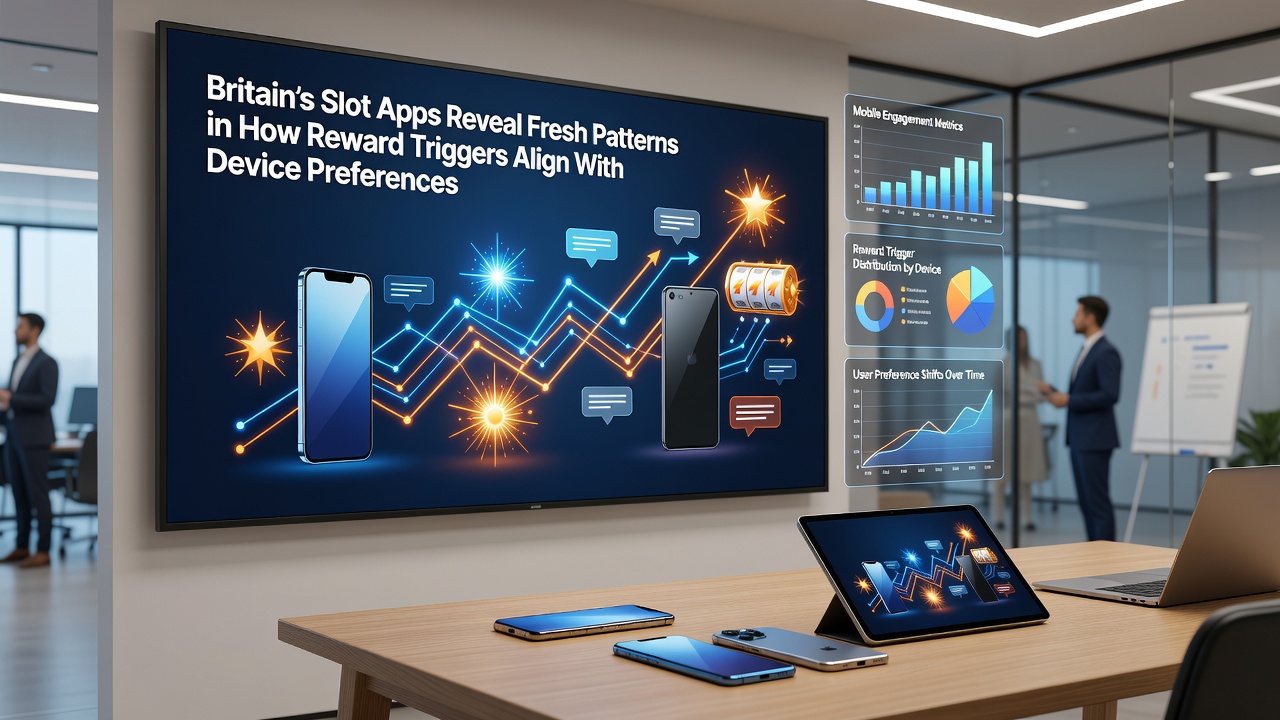
Developers integrate device detection into backend reward engines using standard API calls that identify operating system version and screen size at login. This information feeds decision trees that select from pre-approved trigger libraries. Australian research centers studying similar markets have documented parallel approaches where device preference data improves retention metrics by measurable percentages. British applications apply these lessons while complying with existing data protection standards. The process runs continuously as new session information updates the models in real time.
Future Adjustments Based on Observed Trends
Projections shared by academic gaming studies suggest device-based reward alignment will expand to include foldable phones and emerging wearable interfaces by late 2026. Current data already shows early adoption of these formats among younger British users who favor compact reward prompts. Operators test limited rollouts that maintain consistency across screen types while preserving trigger variety. The emphasis remains on matching established patterns rather than introducing untested mechanics.
Conclusion
Britain's slot applications continue refining how reward triggers connect with device preferences through ongoing data collection and system updates. The patterns documented in July 2026 reflect steady evolution rather than abrupt changes. Observers expect further refinements as new hardware enters the market and user behaviors shift accordingly. These developments stay grounded in measurable session outcomes across platforms.