22 Jun 2026
Mapping Progression Routes: Matching Slot Volatility Levels to Scheduled Incentive Points in UK Online Casinos
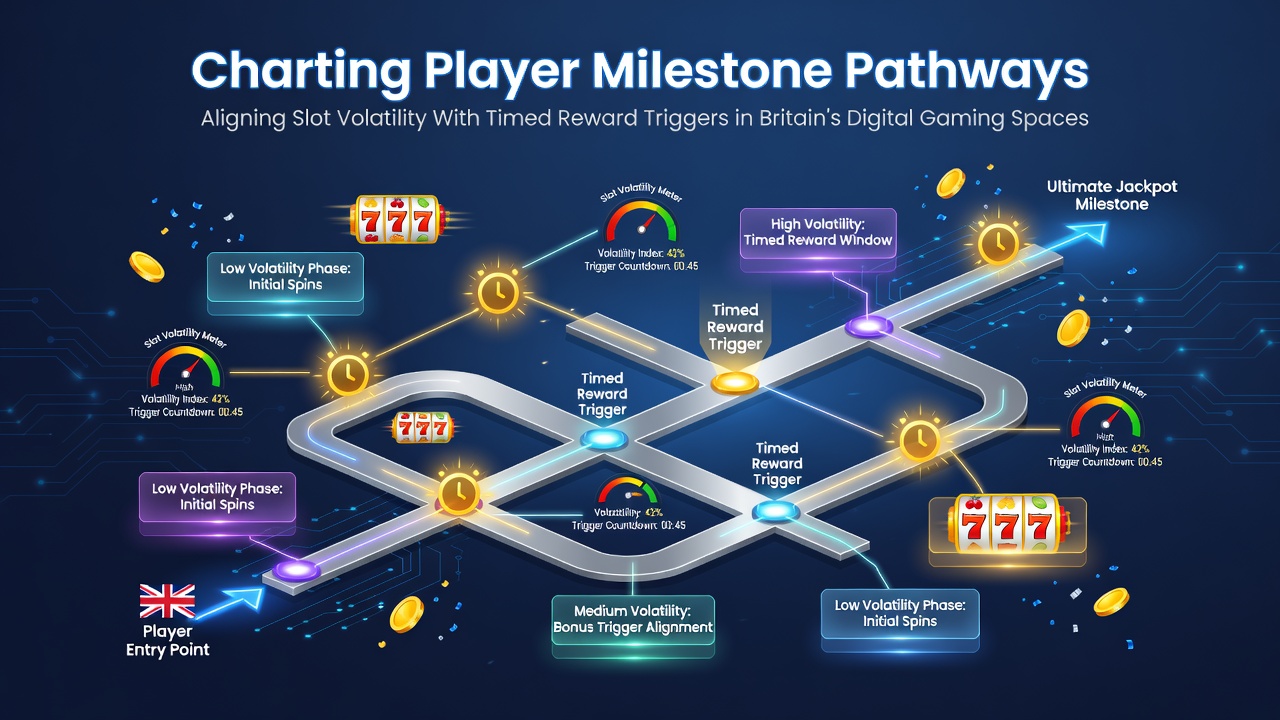
Player milestone pathways in Britain's digital gaming spaces involve structured progression systems where operators design sequences of achievements that correspond to specific slot volatility profiles while incorporating timed reward triggers to maintain session continuity, and these frameworks draw on data analytics to synchronize player activity patterns with game mathematics, according to industry reports from the Remote Gambling Association.
Slot volatility refers to the risk and reward distribution in individual games, with high-volatility titles producing infrequent but larger payouts whereas low-volatility options deliver more consistent smaller returns, and milestone pathways integrate these characteristics by assigning targets such as spin counts or win thresholds that unlock rewards at predetermined intervals, which helps align player expectations with game dynamics in UK-licensed platforms.
Core Components of Milestone Systems
Developers segment player journeys into tiers that escalate in complexity, starting with entry-level objectives like completing a set number of spins on medium-volatility slots before advancing to challenges involving high-volatility selections, and this layering allows platforms to introduce timed triggers such as bonus activations that activate after 30-minute intervals or upon reaching cumulative bet amounts, creating a rhythm that matches the payout frequency inherent to each volatility category.
Research from the International Center for Gaming Regulation indicates that operators collect anonymized session data to calibrate these pathways, adjusting trigger timings based on observed retention metrics across different game types, and in June 2026 several major UK sites updated their backend algorithms to refine these alignments following regulatory shifts that emphasized responsible play features without altering core mechanics.
Integration of Volatility Profiles With Timed Triggers
High-volatility slots often pair with longer reward intervals that build anticipation toward substantial milestone completions, while low-volatility games utilize shorter cycles to deliver frequent smaller incentives that sustain momentum, and this matching process relies on probability models that forecast average session lengths so rewards appear at points where player engagement data shows natural drop-off risks.
One study conducted by the University of Nevada's International Gaming Institute examined similar systems in regulated markets and found that precise timing of triggers correlated with extended play durations across volatility ranges, and British operators have adopted comparable techniques by embedding these elements into loyalty frameworks that track individual progress without requiring manual intervention from players.
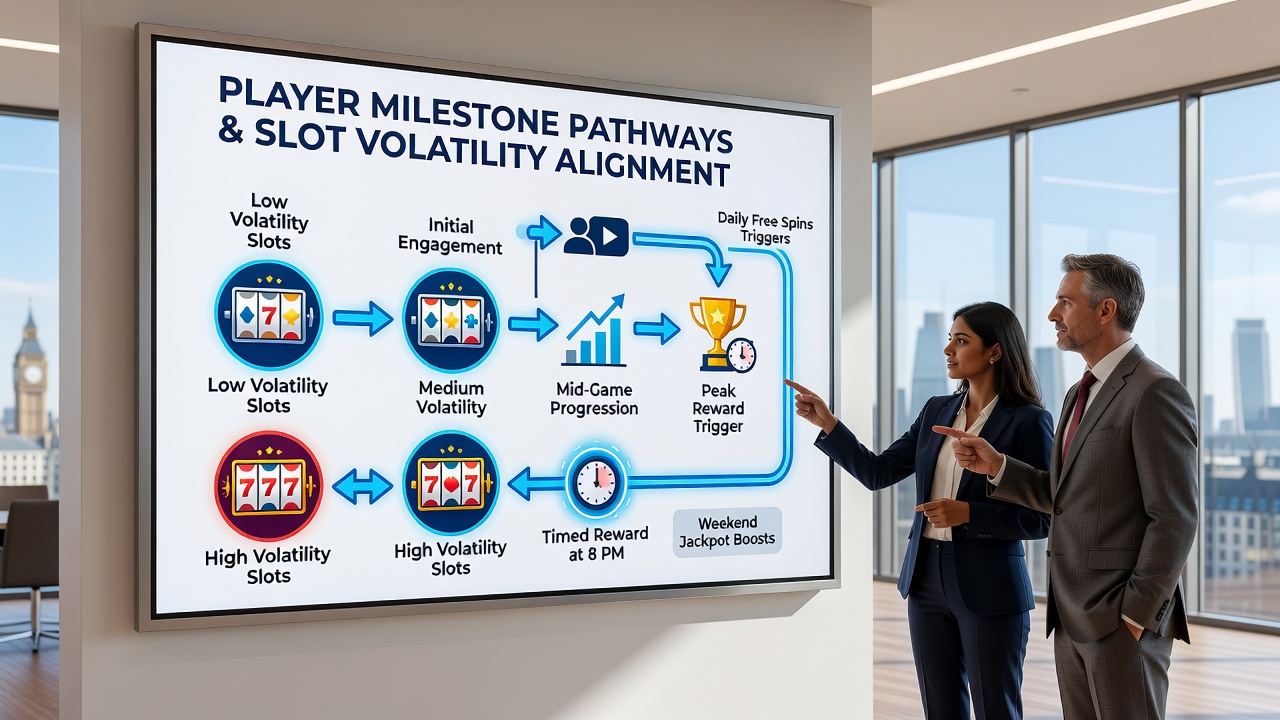
Platforms implement these alignments through backend dashboards that monitor real-time metrics, triggering rewards when volatility-specific conditions meet time-based criteria such as evening peak hours or weekend activity surges, and this approach ensures that milestones feel attainable yet challenging regardless of the underlying game mathematics.
Implementation Across Digital Platforms
UK operators segment their slot libraries into volatility categories and assign distinct milestone tracks accordingly, with medium-volatility titles serving as bridges between low and high tiers, and timed rewards often include free spin allocations or cashback percentages delivered at intervals calibrated to average completion rates for each category.
Data from the Australian Gambling Research Centre shows that synchronized systems reduce abrupt session endings by distributing incentives evenly, and British platforms apply these principles by testing pathway variants during off-peak periods before full deployment, resulting in measurable improvements in player return rates documented in operator filings.
Additional features include progress bars visible in mobile interfaces that update dynamically as players switch between volatility levels, and these visual aids incorporate countdown elements for upcoming timed triggers to encourage continued participation aligned with game payout structures.
Conclusion
Milestone pathway designs in Britain's digital gaming spaces continue to evolve through data-driven refinements that connect slot volatility characteristics directly to the scheduling of rewards, and operators maintain these systems by monitoring performance indicators across player cohorts to sustain balanced engagement patterns throughout 2026 and beyond.