16 Jul 2026
Provider Algorithms Driving Sequential Free Spin Mechanics in Britain's Multi-Device Casino Networks
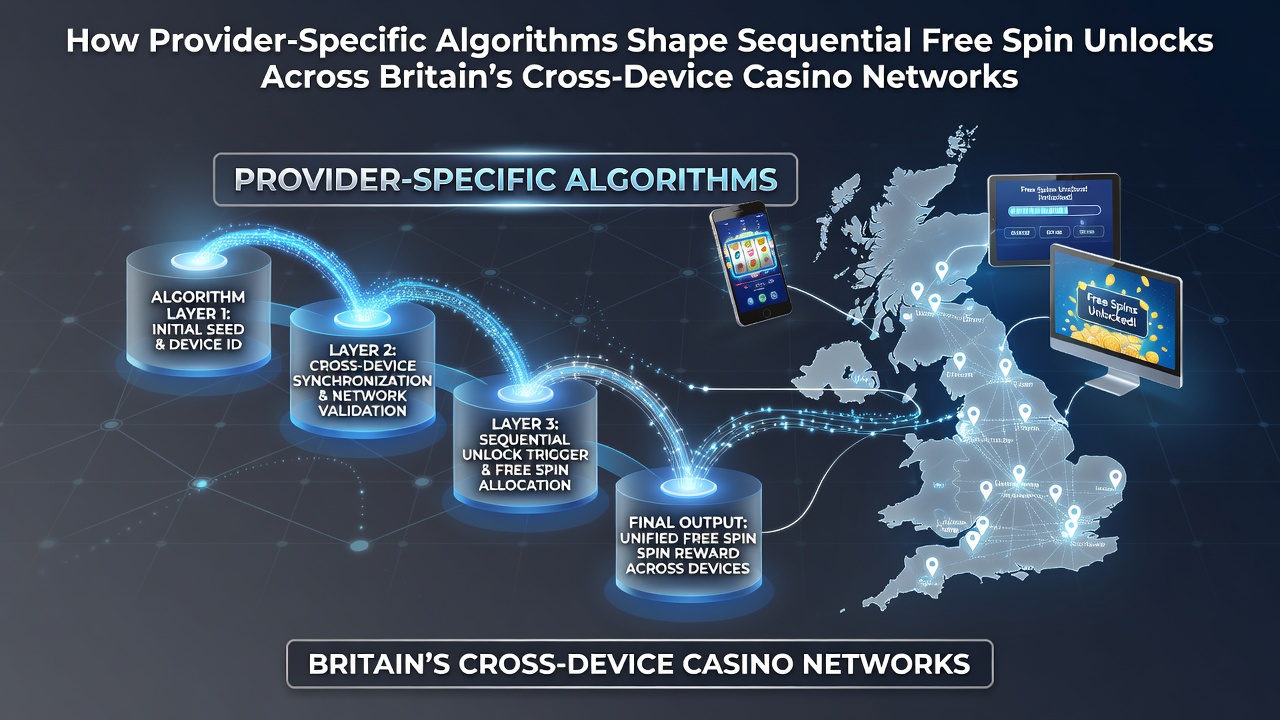
Slot providers develop distinct algorithmic frameworks that determine how free spin features activate and chain together, creating patterns unique to each developer's software across Britain's casino platforms. These systems operate through random number generators calibrated differently by companies like those behind popular titles, where trigger probabilities and sequence lengths vary based on internal parameters rather than uniform industry standards.
Data from industry reports shows that sequential unlocks often depend on accumulated game states tracked across sessions, allowing players to progress through bonus tiers when certain conditions align during extended play periods. Observers note that this mechanic appears more frequently in networks supporting synchronized accounts, where device switches preserve progress without resetting the algorithmic counters.
Technical Foundations of Provider Algorithms
Each provider implements proprietary logic for bonus triggers, incorporating factors such as bet size multipliers, symbol combinations, and session duration metrics that feed into decision trees governing free spin releases. Researchers at academic institutions have examined these structures, finding variations in how providers weight volatility settings to control unlock frequency. For instance, one developer's system might prioritize rapid short sequences, whereas another extends chains over multiple logins to maintain engagement across desktop and mobile environments.
Cross-device functionality relies on backend servers that store player state data, enabling the algorithm to resume sequences seamlessly when users switch platforms. Studies indicate that synchronization occurs through encrypted tokens passed between devices, preserving the exact point in a sequential unlock chain without exposing the underlying calculation methods to external interference.
Sequential Unlock Patterns in Practice
Sequential free spin systems unfold in stages where initial triggers open pathways to additional rounds, often requiring players to meet escalating conditions like specific reel outcomes or accumulated points. Providers calibrate these stages individually, leading to observable differences in how quickly sequences advance on various networks. One case documented by gaming analysts revealed that certain algorithms favor mobile sessions for mid-sequence unlocks due to optimized touch interface responses, while desktop versions emphasize longer play windows for completion.
What's interesting is how these patterns integrate with broader network operations, as operators aggregate data from multiple providers to balance overall bonus distribution. Figures from trade associations reveal that synchronized cross-device play accounts for a growing share of activity, with algorithms adapting to device-specific inputs such as screen resolution or connection stability without altering core unlock probabilities.
Network Integration and Device Synchronization
Britain's casino networks connect through centralized player management systems that interface with provider APIs, allowing algorithmic outputs to influence free spin availability regardless of access point. This setup supports continuity, where a sequence started on a tablet continues on a smartphone with the same parameters intact. Industry organizations have tracked these integrations, noting that updates rolled out around July 2026 enhanced compatibility protocols to reduce latency during state transfers between devices.
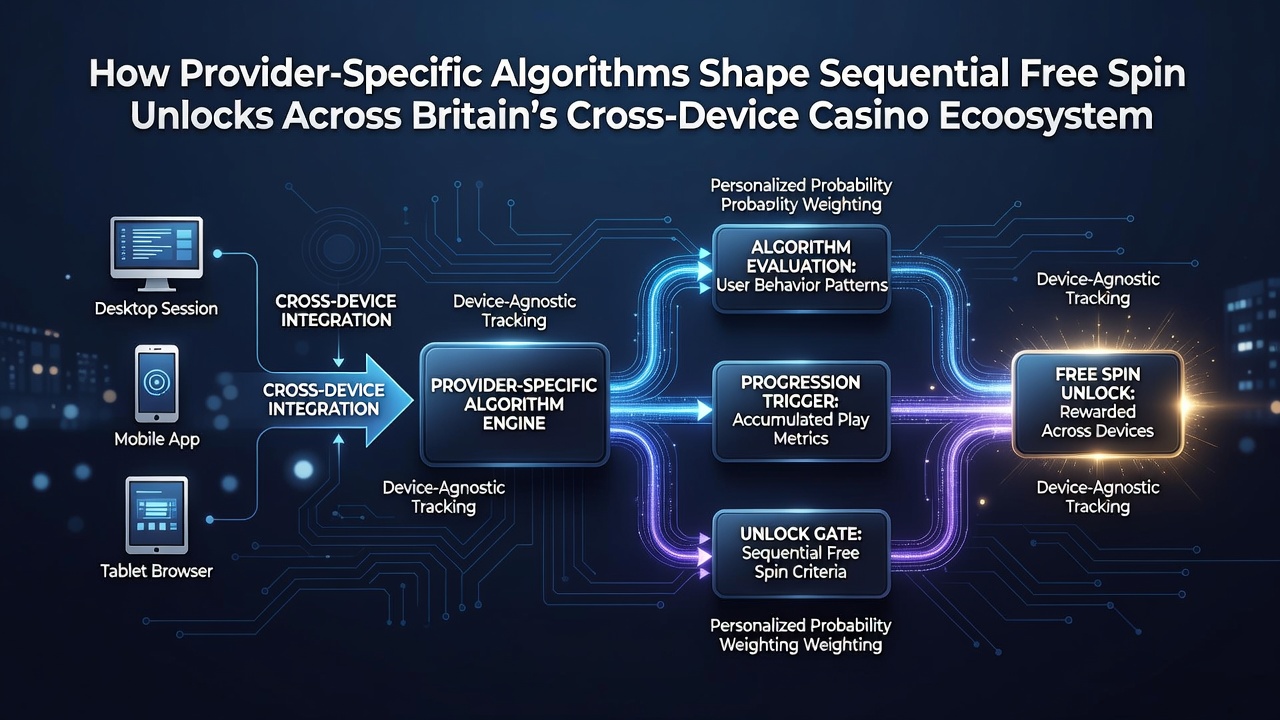
Providers maintain separate control layers within these networks, meaning an unlock sequence from one supplier does not directly affect another even on the same platform. Those who've analyzed transaction logs point out that this isolation prevents cross-contamination of data while still permitting operators to monitor aggregate performance metrics across their offerings.
Data Influences and Regulatory Context
Statistical analyses from sources like the Responsible Gambling Council demonstrate how algorithmic variations contribute to differing bonus realization rates, with some providers showing higher sequential completion percentages in multi-device scenarios. These findings stem from aggregated session data collected across regions, highlighting patterns without revealing proprietary code details.
Academic papers from institutions such as the University of Sydney's gambling research unit further explore how device transitions interact with these systems, suggesting that network stability plays a role in maintaining sequence integrity. Operators use this information to adjust server-side handling, ensuring that free spin progress remains consistent amid fluctuating connection qualities common in mobile usage.
Conclusion
Provider-specific algorithms continue to define the structure of sequential free spin unlocks throughout Britain's cross-device casino ecosystems, shaping player experiences through tailored trigger mechanisms and state management techniques. Integration across networks relies on precise synchronization protocols that preserve these unique sequences, supported by ongoing technical refinements noted in mid-2026 developments. External analyses from varied regulatory and research bodies provide ongoing insights into these operational dynamics, underscoring the specialized nature of each provider's contribution to the overall framework.