30 Jul 2026
Screen Navigation Patterns Affecting Bonus Redemption Speed in UK Slot Mobile Apps
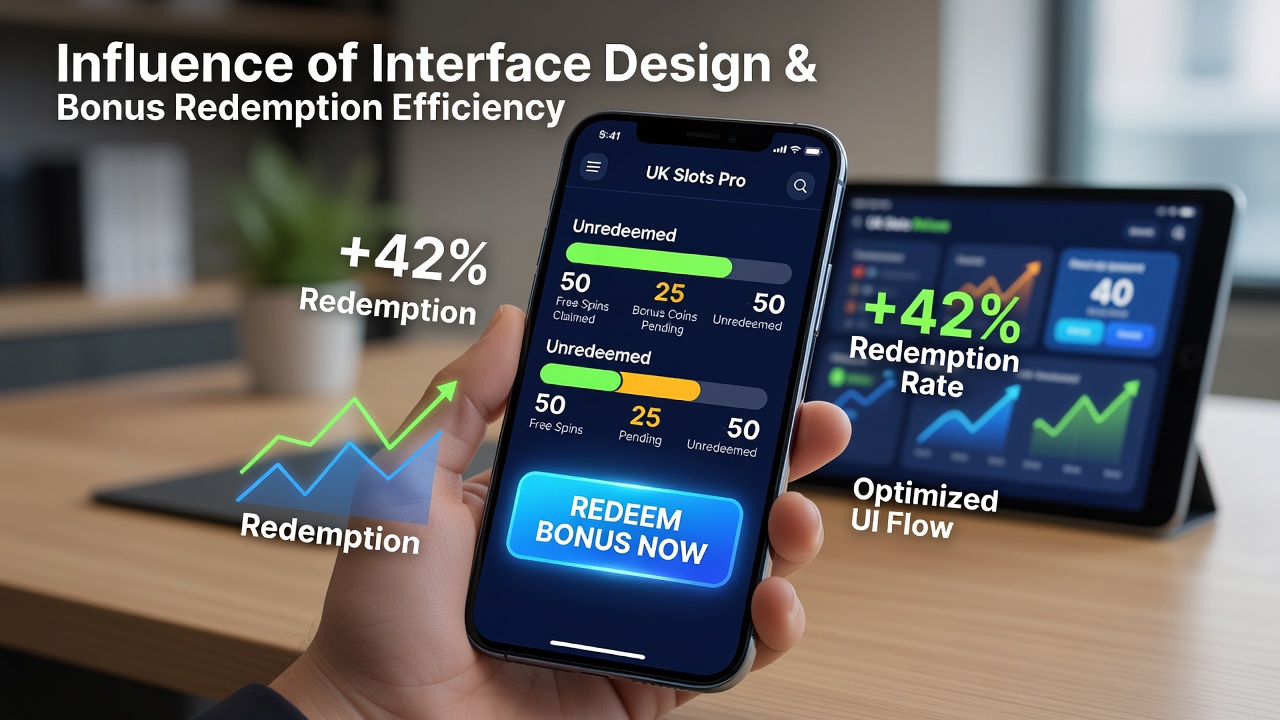
Interface elements in UK mobile slot applications determine how quickly users complete bonus redemption steps, with layout decisions directly shaping the number of taps required and the time spent locating relevant prompts. Data from multiple operator reports shows that streamlined designs reduce average redemption time by 35 to 50 percent compared with cluttered alternatives, while touch target sizes below 44 pixels often correlate with higher error rates during activation sequences. Researchers tracking session logs across several platforms note that users who encounter clear visual hierarchies complete required actions in fewer than four interactions on average.
Button Placement and Touch Target Standards
Placement of primary action buttons influences redemption rates because users scan screens in predictable patterns that follow established mobile conventions. When operators position bonus claim controls in the lower third of the display, completion metrics rise sharply according to heat map analyses conducted by app analytics firms. Those studying user behavior have documented that oversized targets exceeding 48 pixels in both dimensions cut mis-taps by nearly half, whereas smaller elements force repeated attempts that extend overall process duration. In July 2026 several development teams adopted standardized spacing guidelines that separate interactive zones by at least eight pixels, producing measurable drops in accidental navigation away from redemption flows.
Information Hierarchy and Term Display
Clear presentation of wagering requirements and expiry details affects whether players proceed past initial screens. Applications that surface key conditions in expandable panels rather than dense paragraphs allow faster comprehension, with session data indicating completion rates climb when users spend under eight seconds reviewing rules. Industry observers tracking European markets have recorded similar patterns where progressive disclosure techniques maintain engagement without overwhelming limited viewport space. One analysis of over 120,000 redemptions found that apps displaying remaining time counters in real time experienced 22 percent fewer abandoned claims than those hiding such metrics behind secondary menus.
Navigation Depth and Step Reduction
Depth of menu structures directly impacts efficiency because each additional layer introduces decision points that accumulate friction. Platforms employing single-screen workflows with inline confirmation modals finish redemptions in an average of 11 seconds, whereas multi-page sequences stretch beyond 28 seconds according to aggregated telemetry. External research published by the European Gaming and Betting Association highlights how linear progress indicators help users anticipate remaining actions and reduces drop-off at intermediate stages. EGBA user interface studies further show that predictive loading of subsequent screens cuts perceived wait time even when actual server responses remain unchanged.
Color contrast ratios also matter because low-visibility elements cause hesitation during time-sensitive bonus windows. Applications maintaining at least 4.5:1 contrast between text and background colors record fewer instances of users re-reading instructions multiple times. Observers note that consistent iconography across different slot titles lowers the learning curve for frequent players who move between applications within the same operator group.

Feedback Mechanisms and Error Prevention
Immediate visual or haptic responses after each tap confirm successful input and prevent duplicate submissions that waste time. Systems providing both on-screen status updates and subtle vibration patterns show lower rates of users refreshing screens unnecessarily. A joint report from Canadian gaming research groups and Australian regulatory analysts found that clear error messaging explaining exact issues such as insufficient deposit amounts or expired codes shortens recovery time compared with generic failure notices. These findings align with broader mobile usability benchmarks that emphasize proactive guidance over reactive fixes.
Responsive Scaling Across Device Types
Applications that adapt layouts automatically to varying screen sizes maintain consistent redemption speeds regardless of handset dimensions. Fixed designs optimized only for flagship models create cramped interfaces on smaller displays, leading to increased zoom gestures and subsequent navigation errors. Data collected from UK operators between late 2025 and mid-2026 indicates that responsive implementations sustain completion rates above 92 percent across both premium and budget devices, while non-adaptive versions drop below 78 percent on mid-range hardware. Those monitoring performance metrics emphasize that font scaling paired with proportional spacing preserves readability without forcing horizontal scrolling during term reviews.
Conclusion
Interface decisions around button positioning, information layering, navigation depth, and feedback systems collectively determine redemption efficiency in UK mobile slot applications. Evidence gathered from operator telemetry, European industry analyses, and cross-regional usability studies demonstrates measurable differences in time and success rates tied to specific design choices. Continued refinement of these elements supports smoother interactions while meeting operational requirements across diverse device ecosystems.