11 Jul 2026
The Interplay Between Game Variance and Promotional Efficiency in Mobile Reel Environments
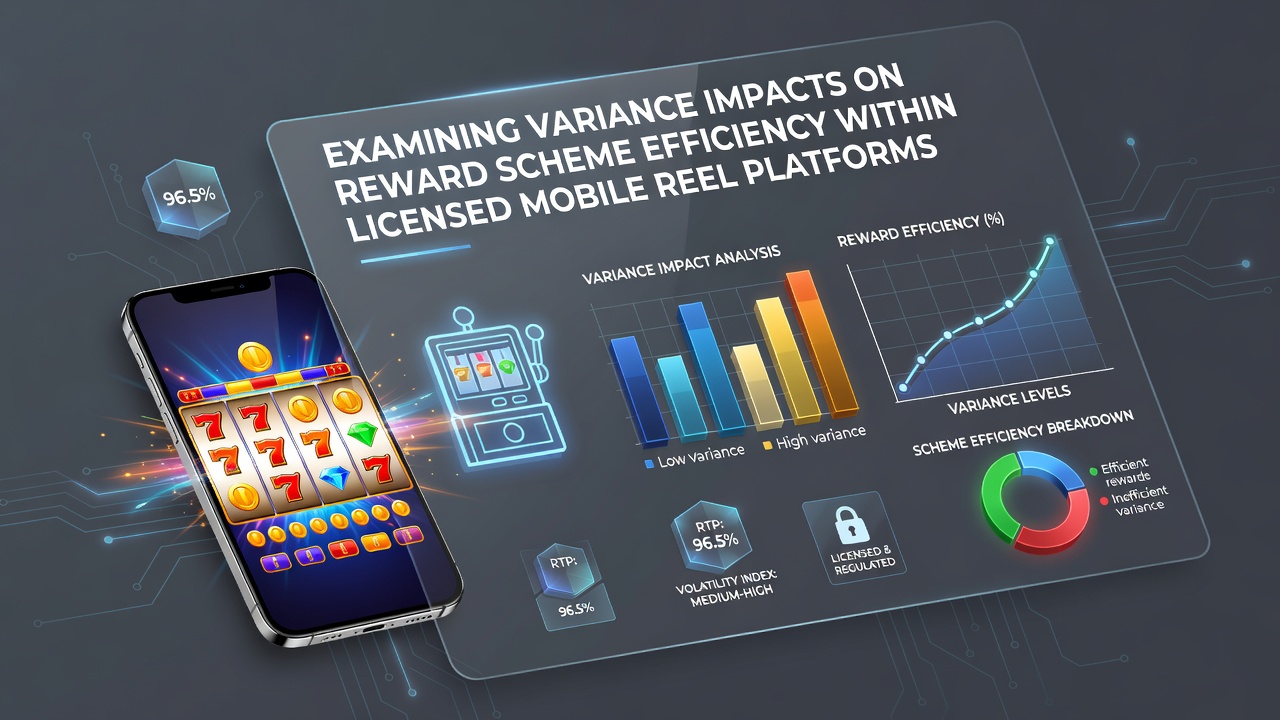
Game variance in mobile reel platforms creates measurable differences in how reward schemes deliver value over time, and operators track these patterns through detailed session data. High-variance titles produce larger but less frequent payouts while low-variance options generate steadier returns, which directly shapes how bonus funds convert into extended play or cashable amounts.
Defining Variance in Mobile Reel Mechanics
Variance measures the spread between expected and actual outcomes across individual spins, and developers calibrate this element when designing each title. Licensed platforms must report these characteristics to regulatory bodies so that promotional mechanics align with the underlying mathematics of each game.
Players encounter three broad categories: low variance that yields frequent small wins, medium variance that balances frequency with occasional larger returns, and high variance that concentrates value into rare but substantial hits. Reward schemes built around deposit matches or free spins therefore perform differently depending on which category dominates a user's session history.
How Variance Alters Bonus Conversion Rates
Low-variance games allow bonus funds to stretch across more spins because smaller payouts occur regularly enough to replenish balances and meet wagering thresholds. High-variance titles, by contrast, often exhaust the same bonus allocation quickly when sequences of non-paying spins appear, yet they occasionally produce outsized wins that clear requirements in fewer rounds.
Operators adjust promotional parameters accordingly. Some platforms restrict high-variance games from contributing fully to wagering, while others apply weighting factors that reflect observed completion rates across thousands of sessions. These adjustments emerge from aggregated telemetry rather than individual player outcomes.
Regional Regulatory Approaches to Variance Disclosure
The Alcohol and Gaming Commission of Ontario requires operators to publish volatility indicators for every approved title, enabling clearer mapping between game profiles and bonus structures. Similar expectations appear in other jurisdictions where mobile platforms operate under strict licensing frameworks.
Data from the Alcohol and Gaming Commission of Ontario shows that platforms incorporating variance labels into their bonus terms experience higher completion percentages for medium-variance selections compared with unlabeled catalogs. These findings come from anonymized transaction records collected across multiple license periods.
July 2026 brought additional reporting standards in several markets that require operators to segment bonus performance by volatility band. The changes emphasize transparency around how promotional funds interact with different mathematical models, without prescribing specific weighting rules.
Practical Examples from Platform Data
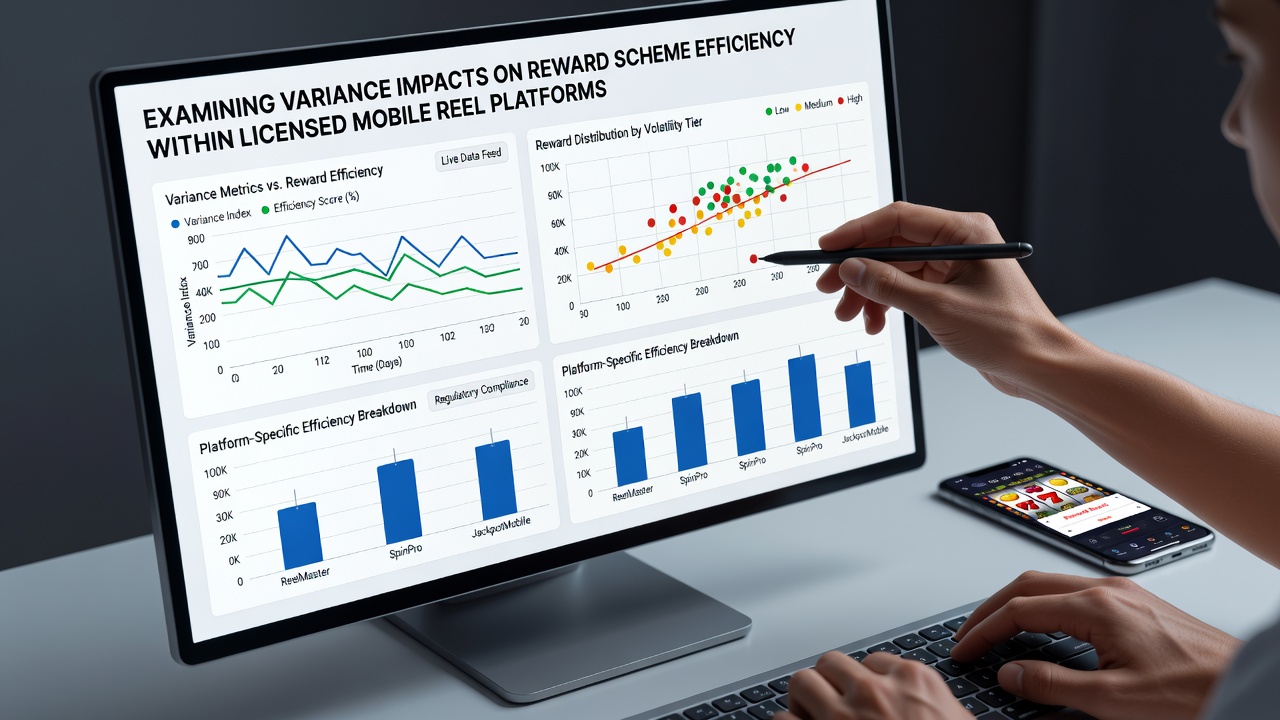
One European operator examined 18 months of mobile sessions and found that free-spin bonuses attached to low-variance reels achieved 72 percent wagering completion, whereas the same mechanic paired with high-variance titles reached only 41 percent. The difference narrowed when cashback offers replaced free spins because cashback activates after losses regardless of spin frequency.
Another case involved a North American platform that introduced tiered bonus multipliers based on declared variance. Players selecting medium-variance games received a 1.2x multiplier on winnings once wagering finished, while high-variance selections carried a 0.8x adjustment. Completion rates shifted upward for the medium category and downward for the high-variance group, illustrating how structural incentives can steer behavior.
Measurement Techniques and Efficiency Metrics
Platforms calculate efficiency through several indicators: average spins per bonus dollar, percentage of bonuses that reach cashout eligibility, and median time to requirement completion. Variance enters these equations as a weighting variable because it predicts the probability distribution of outcomes within any given sample of spins.
Researchers at academic institutions studying digital gaming mathematics have published models that treat variance as an input parameter when forecasting promotional liability. These models rely on large datasets of anonymized play rather than theoretical return-to-player figures alone, producing more accurate projections for operators managing multi-jurisdiction portfolios.
Future Adjustments in Mobile Reward Design
Operators continue refining segmentation strategies that pair specific bonus types with variance bands. Cashback and loyalty points often attach more readily to high-variance catalogues because they mitigate extended losing streaks, whereas free-spin and deposit-match offers perform better when limited to lower-variance selections.
Technical standards emerging in 2026 encourage real-time variance displays within game lobbies so that players see the classification before activating any promotion. This development aligns with broader efforts to match reward mechanics with the underlying distribution of outcomes across licensed mobile platforms.
Conclusion
Variance remains a central variable in determining how efficiently reward schemes operate on licensed mobile reel platforms. Operators that incorporate volatility data into bonus construction achieve more predictable redemption patterns, while regulatory updates scheduled through 2026 reinforce the need for clear disclosure. Continued analysis of session-level metrics will guide further refinements in how promotions interact with different mathematical profiles across the mobile ecosystem.