3 Aug 2026
Volatility Levels as Strategic Guides for Casino Incentive Utilization Among Experienced Players
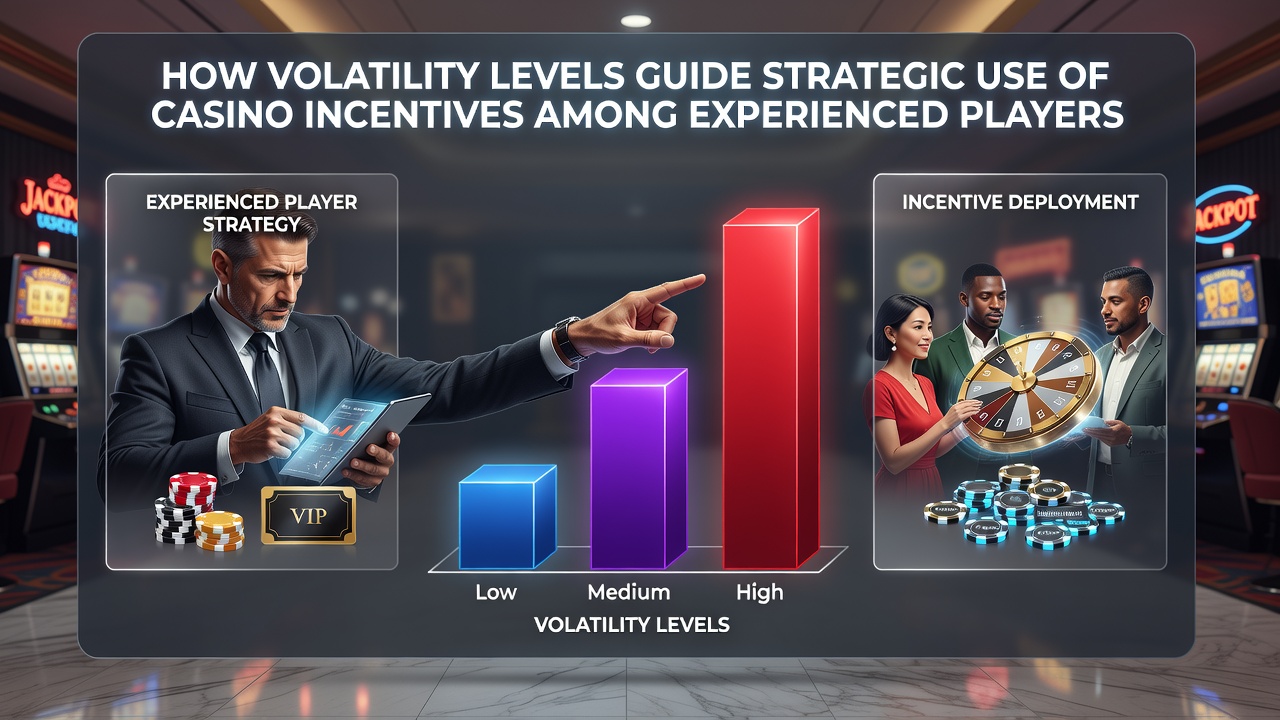
Volatility levels in slot games shape the way experienced players approach casino incentives, since these risk metrics determine payout frequency and size. Low-volatility titles deliver smaller wins at regular intervals, whereas high-volatility options produce larger but less frequent payouts, and players adjust their bonus selections accordingly to match these patterns.
Defining Volatility in Slot Mechanics
Industry data from the American Gaming Association indicates that volatility ratings classify games based on return-to-player distribution over time, with low-volatility slots showing steady hit rates above 30 percent in many cases while high-volatility machines drop below 20 percent. Experienced players review these ratings before activating deposit matches or free spin offers because the underlying math influences how long incentives last during extended sessions.
Game providers publish volatility indexes alongside paytables, allowing observers to note that medium-volatility titles sit between the two extremes and often pair well with hybrid promotions that combine cashback elements with reload bonuses. Those who've tracked session data across multiple platforms find that mismatched incentives and volatility levels lead to quicker depletion of bonus funds when wagering requirements remain fixed.
Low-Volatility Approaches with Incentive Structures
Players frequently select low-volatility slots when using no-deposit bonuses because the consistent small wins help meet playthrough thresholds without rapid bankroll swings. Research reports from Canadian gaming authorities show that operators in regulated markets track average bonus redemption times, revealing that low-volatility choices extend play duration by factors of two or three compared with high-volatility alternatives under identical terms.
Reload promotions and loyalty points accumulate steadily in these environments since frequent hits trigger additional spins or tier progress. Observers note that cashback offers become particularly effective here because regular returns offset any minor losses while players climb reward ladders.
High-Volatility Strategies and Bonus Alignment
High-volatility games attract different incentive pairings, often involving larger deposit matches paired with extended expiration windows that accommodate longer dry spells between wins. Figures from Australian government gaming statistics demonstrate that players targeting these titles tend to favor promotions with lower wagering multipliers, since big payout potential offsets the stricter requirements once a feature triggers.
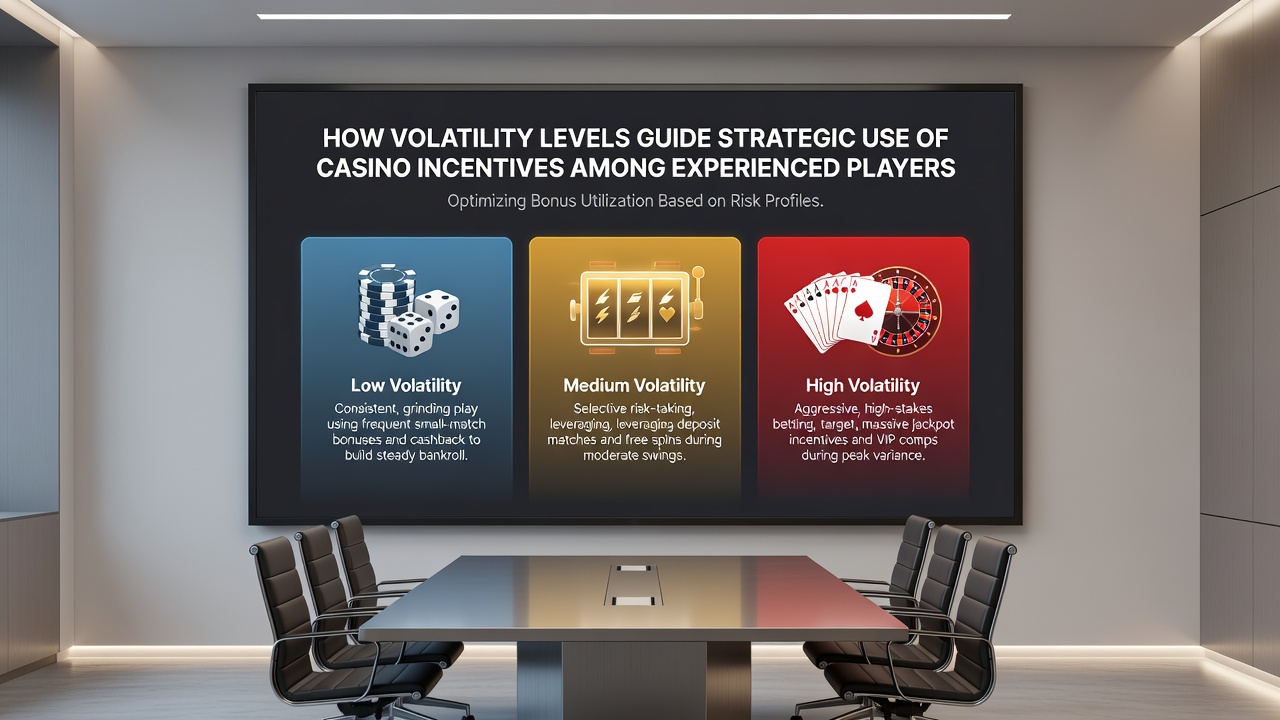
Free spin bundles tied to progressive jackpot titles illustrate one common tactic, where the elevated variance justifies the risk because a single major hit can clear remaining playthrough obligations. Those monitoring regulatory filings across EU jurisdictions report that high-volatility sessions paired with tournament entries yield higher average returns when incentives include leaderboard prizes alongside standard matches.
Matching Specific Incentives to Volatility Profiles
Deposit boosters stretch further on low-volatility selections during initial play phases because steady accumulation meets minimum bet thresholds quickly, yet the same offers require careful bankroll allocation on high-volatility machines to survive variance spikes. Cashback programs show stronger alignment with medium-to-high volatility because they recover portions of losses during extended losing streaks that characterize those games.
Seasonal promotions launched in August 2026 across multiple markets incorporated volatility filters in their terms, allowing players to filter offers by game category and thereby streamline selection processes. Industry organizations such as the European Gaming and Betting Association document that such targeted matching reduces bonus forfeiture rates when players receive data-driven recommendations at signup.
Observed Patterns Across Player Segments
Case examples drawn from aggregated platform analytics illustrate how experienced users rotate between incentive types based on volatility calendars, switching from daily free spin deals on low-volatility grids to milestone-based rewards on high-volatility progressives. Loyalty tier advancements accelerate under low-volatility conditions because consistent activity logs generate points faster than sporadic high-stakes sessions.
Referral programs and network bonuses integrate differently depending on volatility preferences, with low-volatility players generating more consistent referrals through prolonged visible activity while high-volatility participants contribute larger single-session volumes that attract new users through shared win highlights.
Conclusion
Volatility levels function as practical filters that guide incentive selection for experienced players navigating casino promotions. Data from multiple regulatory and industry sources confirms that deliberate alignment between game risk profiles and bonus mechanics extends play value while meeting operator requirements across varied market conditions.